
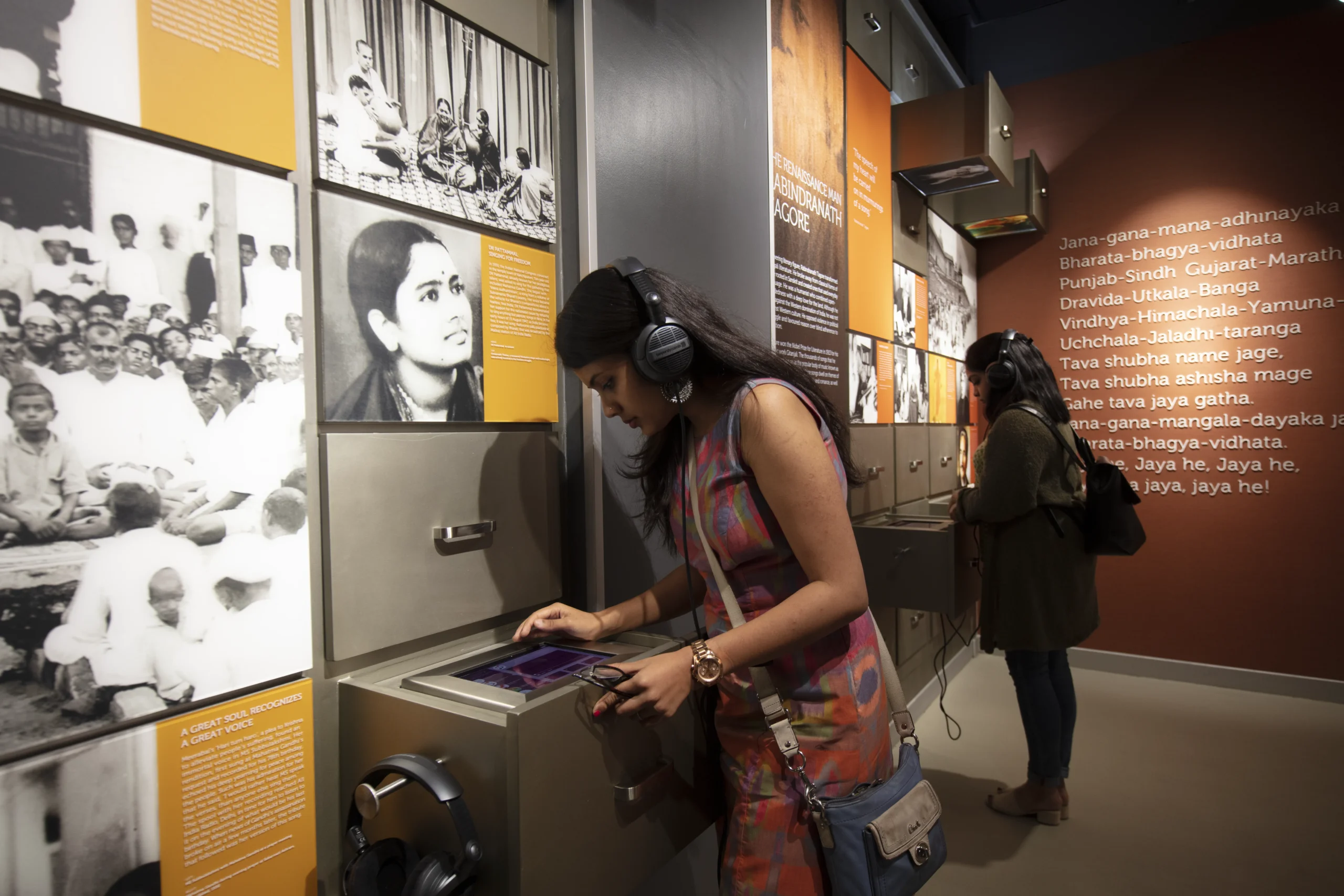
Indian Music Experience Museum Research Grant 2026–27
Reframing Indian Music through Gender and Memory
The Indian Music Experience Museum is pleased to announce its inaugural Research Grant supporting new scholarship in Indian music. As India’s only interactive music museum, IME is committed not only to preserving musical heritage, but to also studying and interrogating it. We want to encourage those asking the questions, and researchers to examine whose stories have been amplified, whose have been erased, and how history might be retold more equitably.
The IME Research Grant is part of the larger Women’s History, Art and Music initiative at the museum.
This grant seeks to seed original, intersectional research into three interconnected areas:
- The contributions of women and gender-marginalised people in folk and tribal traditions
- The complex, often silenced histories of hereditary professional musicians
- The evolution of the female artists across classical and contemporary music forms
We invite proposals that challenge patriarchal and hegemonic narratives, foreground lived experience, and expand the frameworks through which Indian music is studied and understood.
IME will award three grants of ₹1,00,000 each to independent scholars, researchers as well as artists and practitioners looking to interrogate these histories, for a one-year period beginning June 2026. Proposed outcomes may include research papers, monographs, comprehensive interpretive essays or research-based performances. We are particularly interested in projects that can be translated into a museum context—informing exhibitions, public programming, and curatorial storytelling that advances inclusive knowledge building.
Through this initiative, IME seeks to catalyse rigorous scholarship that not only documents musical histories, but reshapes them with gender parity for future generations.
Announcing the Recipients of the IME Research Grant 2026-27
IME received an overwhelming number of applications for the Grant which just went to show how much support for scholarship in music is needed in India. While we intended to award 3 grants in this inaugural year, 4 final grantees were chosen due to the quality of their work and significance of their projects.
Join us in welcoming the very first cohort of researchers to have received a grant from the Indian Music Experience Museum.
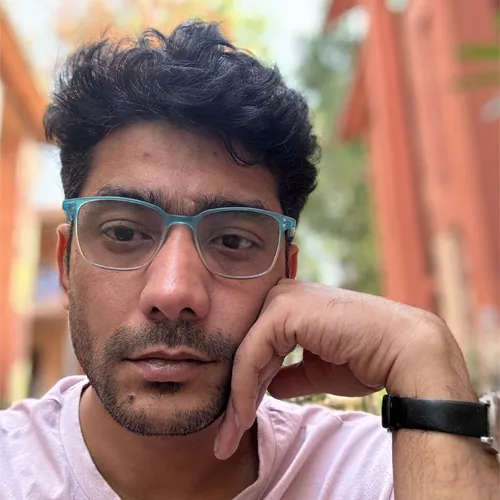
Naman Kumar
PhD student, Theater and Performance Studies, School of Arts and Aesthetics (SAA) at Jawaharlal Nehru University (JNU), Delhi
Project Title: Reframing Voices From The Margins: The Musical World of Bihar’s All Women Mushahar Communities
Naman’s research interest is in the Desi hip-hop genre in Mumbai. Currently he is working on Hip-hopping Mumbai: Performing identities. His MPhil dissertation on Constituting Desi Hip-Hop: The local and the global explores the background against which desi hip hop in India emerged in the early 20th century. In it, he studies of the works of two artists, which are marked with their own signature and hyper-masculine gestures and language of a performance genre born out of and catering to their own lived and conceptualized community and space; and finally, the idea of leisure, and fun and resistance that their choices have been rooted in.
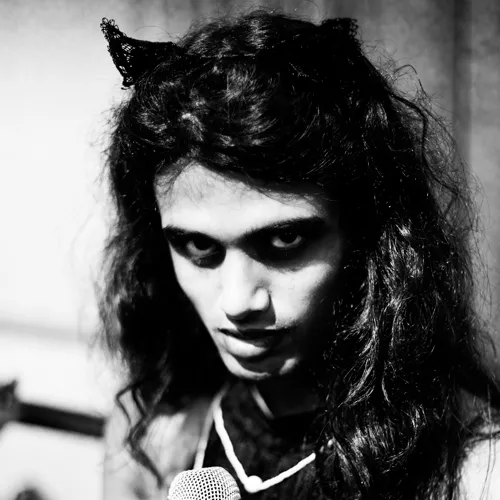
Shehzor M.S.
Project Title: Khalamma and the Dholak: Dakhni Women’s Songs in Context
Shehzor is a Muslim transwoman from Hyderabad. Since her graduation from Krea University in 2022, she has been travelling across India, exploring urban youth subcultures and traditions of resistance. Her main research interest has been the convergences and pathways of folk music and art into contemporary music cultures like hip hop and punk.
Her work has primarily been between English and Dakhni, a language spoken across the Deccan belt in South India. Currently, she is taking a more direct research interest in the sociolinguistics of Dakhni and its various dialects, and how the history of caste and imperialism has led to changes in the language and its vocal performance traditions. She also performs with the experimental punk band Inshallah Babes that she founded in 2024.
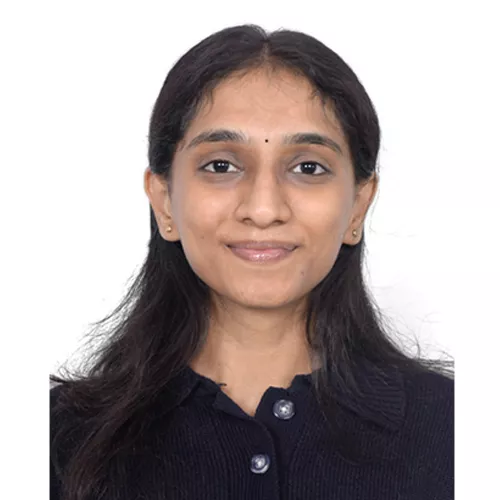
Divyasri Pisupati
MA (Carnatic Music) student, Suravaram Pratapa Reddy Telugu University, Hyderabad
Project Title:Mapping the Postpartum Singing Voice: A Pilot Study of Acoustic and Perceptual Changes in Singers
Divyasri is a Carnatic vocalist from Hyderabad, raised in a family with a deep passion for Carnatic music. She was introduced to the art form at a young age by her grandmother and first guru, Smt. Lalitha Pisupati and continues to deepen her engagement with the Carnatic tradition through both performance and scholarly inquiry.
Alongside her performance career, Divyashri actively engages with academic research on Carnatic music and has presented papers at national and international conferences on topics related to vocal expression, performance practice, and musical aesthetics. She also holds a Bachelor of Business Administration in Finance from NMIMS, Bangalore, and a Diploma in Carnatic Music. She has also worked as a tax consultant and continues to excel professionally alongside her musical and academic pursuits.
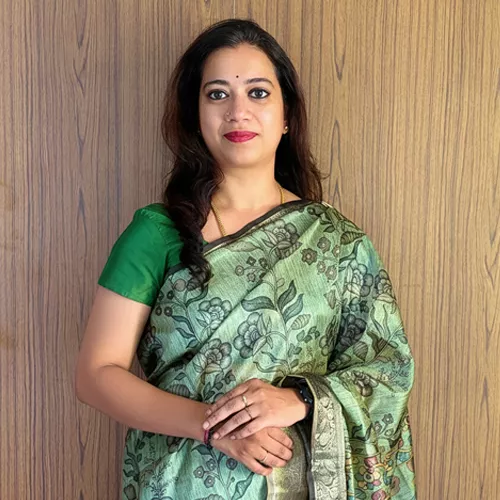
Srivaralakshmi V
PhD student, Technology and Music Education, Anna University, Chennai
Project Title: Invisible Gurus : Women’s Hidden Pedagogies in Hereditary Isai Vellalar Lineages of the Thanjavur Belt and Chennai
Srivaralakshmi seeks to contribute to music education by bridging the gap between heritage and modern education by integrating qualitative research, digital storytelling, and interactive learning methods. A passionate researcher exploring the intersection of culture, education, and technology to create innovative, immersive learning experiences, she specializes in leveraging digital media and edutainment strategies to preserve cultural heritage while enhancing modern learning methods. Srivaralakshmi has presented research at national and international conferences, and published multiple articles on technology’s impact on traditional learning systems. Additionally, she has experience in music, storytelling, theatre performance, and content creation, making her adept at developing engaging educational materials.
Who Should Apply?
IME welcomes applications from independent scholars, researchers, curators, artists, writers, and community knowledge-holders interested in re-examining Indian music through the lens of gender and intersectionality. We invite proposals from both early-career and established practitioners, whether institutionally affiliated or working independently. This grant is intended for those seeking to foreground the contributions of women and gender-marginalised people, explore the layered histories of hereditary musical communities, or reinterpret musical traditions in ways that challenge dominant narratives. In keeping with the aims of this programme, we strongly encourage women and gender minorities to apply and contribute to shaping more inclusive musical histories for public knowledge and museum contexts.
Eligibility Criteria — IME Research Grant 2026–27
- Applicants must be individual researchers, scholars, curators, artists, cultural practitioners or writers with a demonstrated interest in music research, gender studies, oral history, ethnomusicology, or related fields.
- All applications must be submitted in English this year to ensure equitable review by the advisory committee. Applicants must also commit to submitting quarterly plans and reviews in English. The final outcome, however, can be in any language and IME will work with the grantee to ensure that the work is translated into English.
- Applicants must be at least 18 years of age at the time of application and able to undertake a one-year research project from June 2026 to June 2027.
- We strongly encourage women and gender minorities to apply, reflecting the grant’s mission to address patriarchal silences and amplify marginalised voices.
- Proposals must be original, independent research and not currently funded by other major grants; joint or collaborative applications are permitted but must identify a single principal investigator.
- Applicants should describe relevant qualifications or experience (academic, professional, or community-based), though formal degrees are not required—projects led by independent or early-career researchers are welcome.
- Applicants must commit to producing one or more of the expected outcomes (e.g. research papers, monographs, comprehensive interpretive essays or research-based performances) and be willing to engage with the museum’s public and curatorial programming.
- Applicants must ensure the proposed research is feasible within the one-year grant period and provide a clear work plan and budget outline.
Grant-Making Process & Expectations
All applications will be reviewed by a jury of experts appointed by the Indian Music Experience Museum. Proposals will be evaluated on originality, methodological rigour, feasibility within the one-year timeframe, and their potential to contribute meaningfully to Indian music history, museum-based interpretation and public knowledge.
Application Deadline:15 April 2026
Announcement of selected Grantees: mid-May 2026
Grant Period commences: June 2026
Each grant of ₹1,00,000 will be disbursed in quarterly installments. Continued disbursement is contingent upon the submission of a brief quarterly report outlining work undertaken, objectives achieved, and a clear plan for the upcoming quarter. Grantees are expected to maintain steady progress, uphold ethical research standards, and remain open to periodic engagement with IME’s curatorial team to inform exhibitions, public programmes, or knowledge-building initiatives within the museum context.
Reframing Indian Music through Gender and Memory
The museum is honoured to introduce the distinguished jury for the inaugural IME Research Grant 2026–27: Reframing Indian Music through Gender and Memory. Bringing together expertise in cultural leadership, performance studies, and musicology, the panel will evaluate projects that interrogate marginalized narratives and seek to build more equitable music histories.
About the Grant
Part of IME’s Women’s History, Art and Music (WHAM), this grant supports original scholarship that critically examines Indian music through the lens of gender and intersectionality. By centering the histories of women and marginalized genders, the grant aims to foreground overlooked practitioners across folk, hereditary, and classical traditions.
Meet the Jury
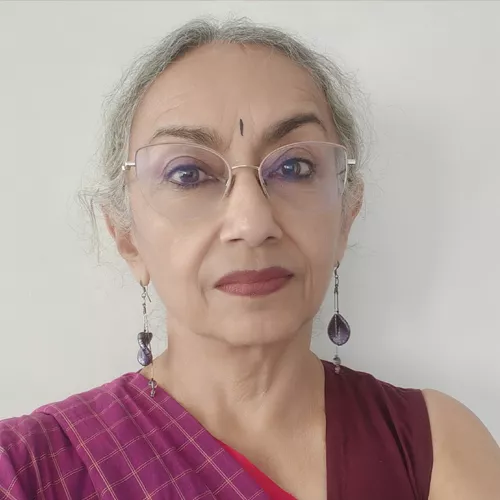
Prof. Dr. Urmimala Sarkar (Munsi)
Social Anthropologist & Performance Studies Scholar
Prof. Dr. Urmimala Sarkar (Munsi), is retired Dean and Professor of dance studies at the School of Arts and Aesthetics of Jawaharlal Nehru University, India, is currently a Senior Fellow of the Prime Ministers’ Museum and Library, Delhi. She is a social anthropologist and performance studies scholar specializing in performance and intersectionality. She trained as a dancer / choreographer at Uday Shankar India Culture Centre.- Kolkata, and continued her work as a choreographer and performer during her engagement as a faculty at the University. Her most recent publications include her co-edited (with Aishika Chakraborty) book, The Dancing Body: Labour, Livelihood and Leisure (Routledge. 2025); Mapping Critical Dance Studies in India (Springer, 2024). She is currently the Honorary Dean of Dance (Mohini Attam and Tullal) at Kalamandalam (Deemed to be University), Kerala, and is part of the editorial Board of Bloomsbury Publishing Series “Dance in Dialogue”.
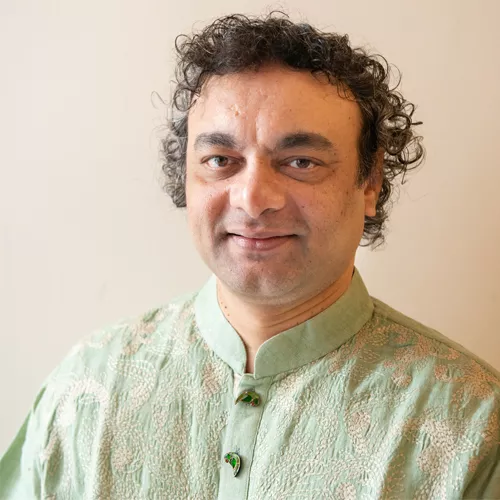
Dr. Aneesh Pradhan
Tabla Maestro, Composer & Researcher
Aneesh Pradhan is one of India’s leading tabla players, a composer, and a prolific researcher. A disciple of the illustrious Nikhil Ghosh, he inherited a vast repertoire spanning multiple gharanas. Beyond his acclaimed work as a soloist and accompanist, he is a Fulbright Fellow and recipient of the Aditya Birla Kala Kiran and Vasantotsav awards, known for his cross-cultural collaborations with groups like the Ensemble Modern and the Sirens Big Band. With a PhD in History, Aneesh Ji is a prominent scholar of Hindustani music, having authored several books including Hindustani Music in Colonial Bombay and Chasing the Raag Dream. He currently serves as the Director of Underscore Records and co-curates the Baajaa Gaajaa music festival, balancing his time as a performer, educator, and author.
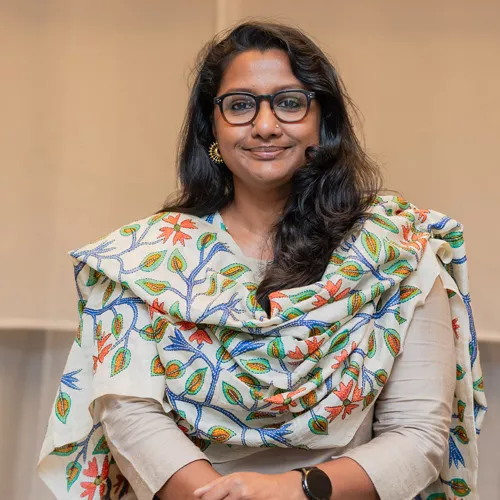
Preema John
Museum Director, Indian Music Experience Museum
Preema John is a distinguished cultural leader and arts manager driven by the conviction that art is a catalyst for community transformation. Currently serving as the Director of the Indian Music Experience Museum (IME), she spearheads initiatives that bridge India’s rich musical heritage with contemporary public life through immersive programming. A Fulbright Fellow with a deep academic foundation in Arts & Aesthetics (JNU) and Arts Administration (School of the Art Institute of Chicago), Preema has spent her career expanding public access to the arts. Her extensive leadership portfolio includes pivotal roles at the Asia Society India Centre, the Dr. Bhau Daji Lad Museum, and the Kochi-Muziris Biennale. She remains dedicated to building inclusive cultural spaces that resonate with diverse audiences.